Learn Real Chinese Cooking at Home

Authentic Chinese recipes explained simply for beginners.

Browse Recipes
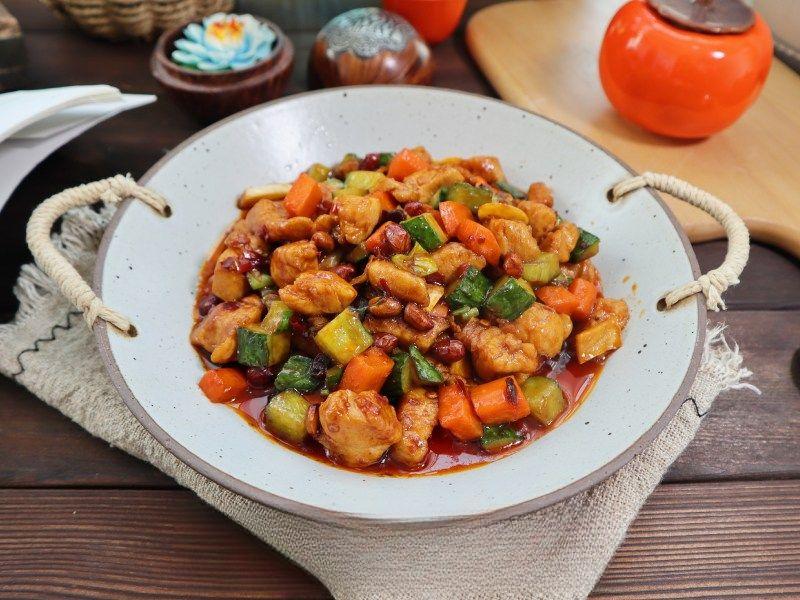
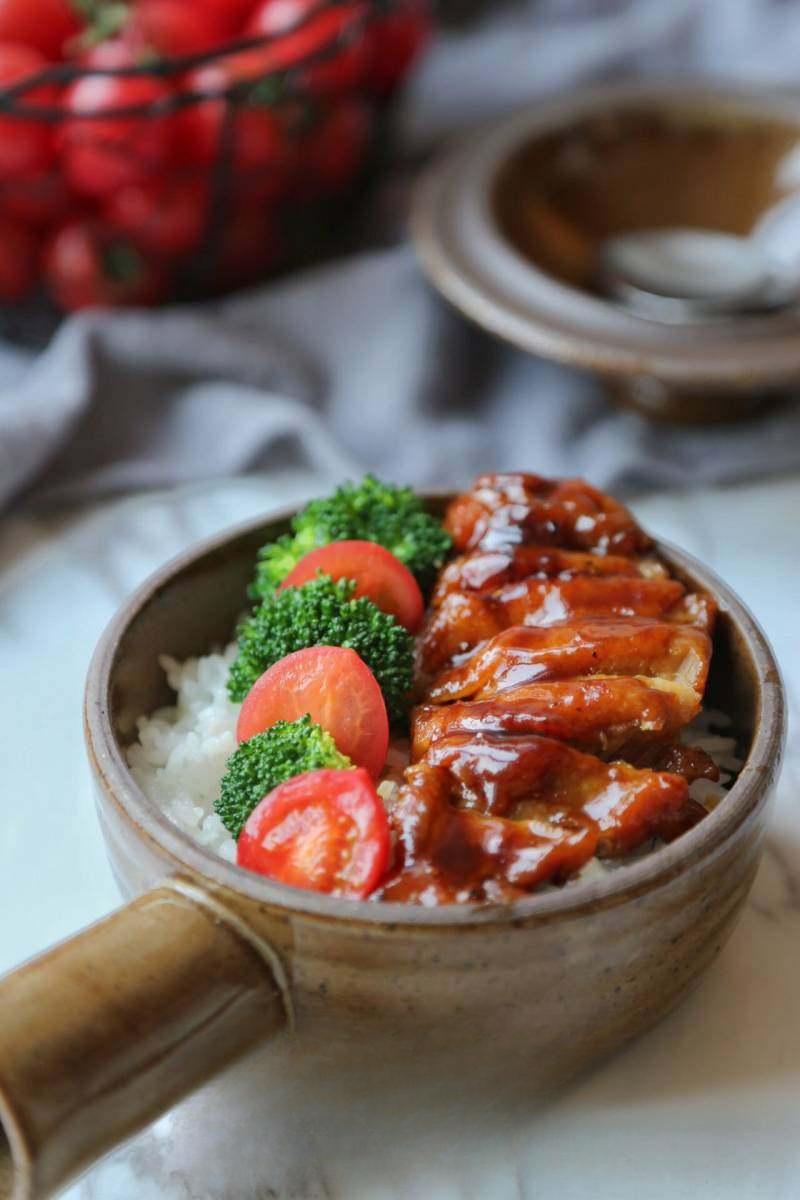
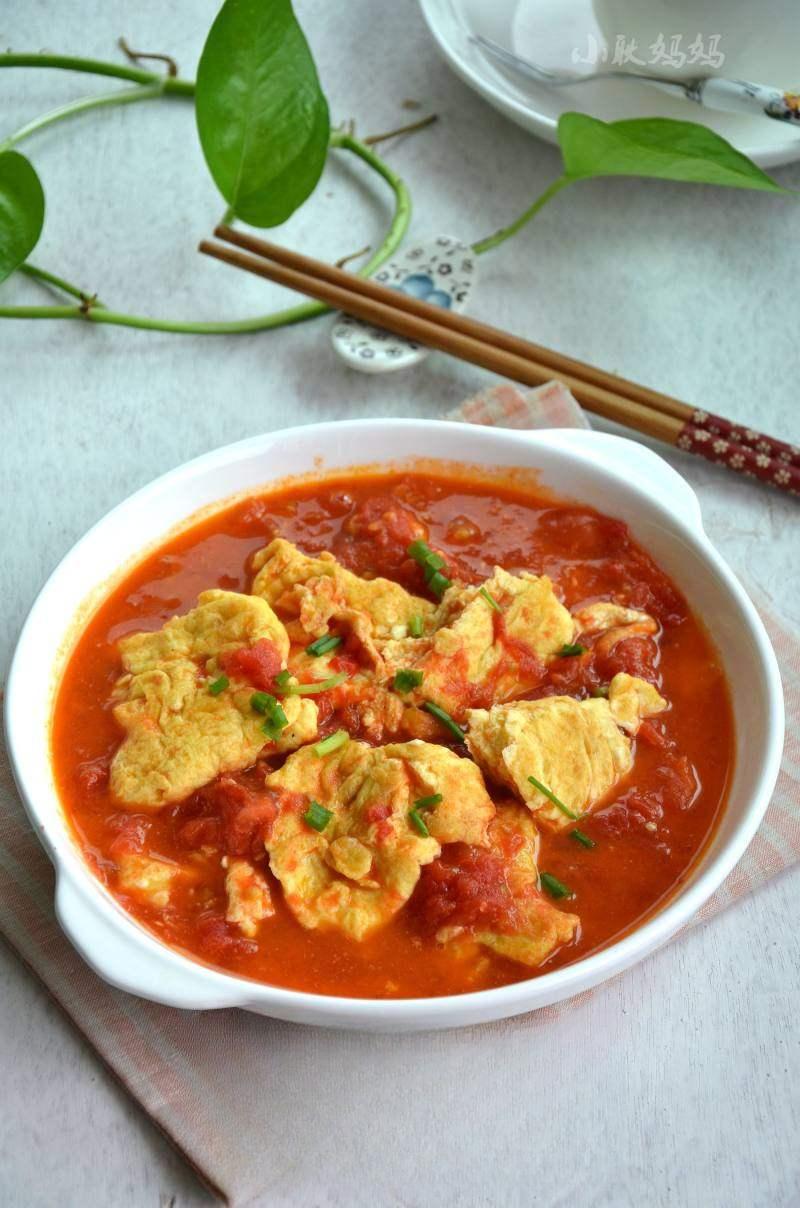
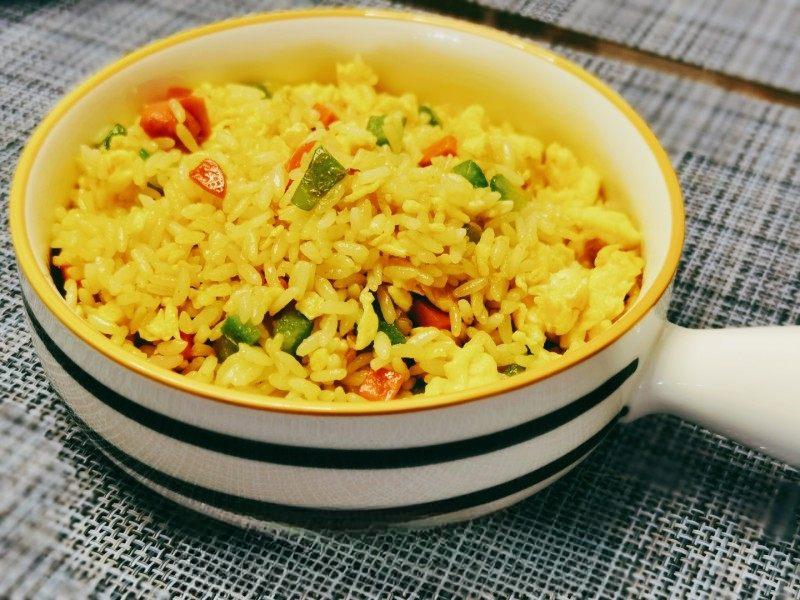
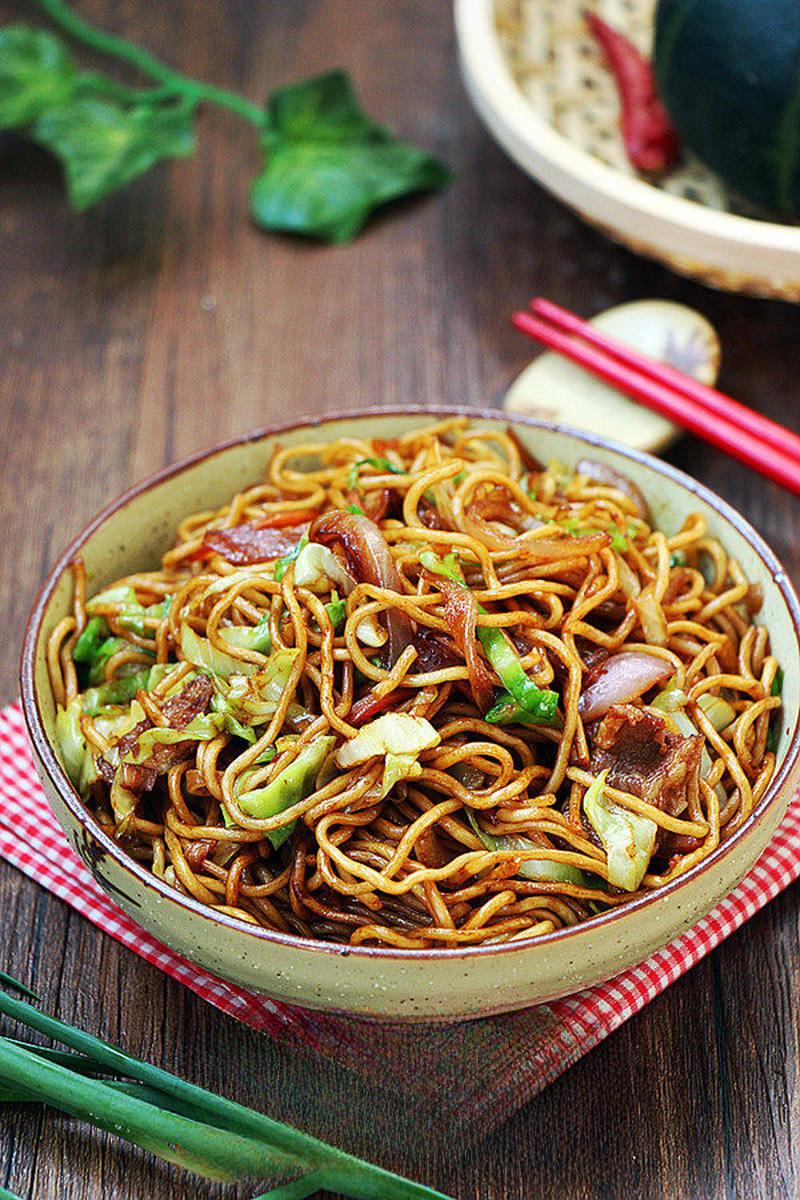
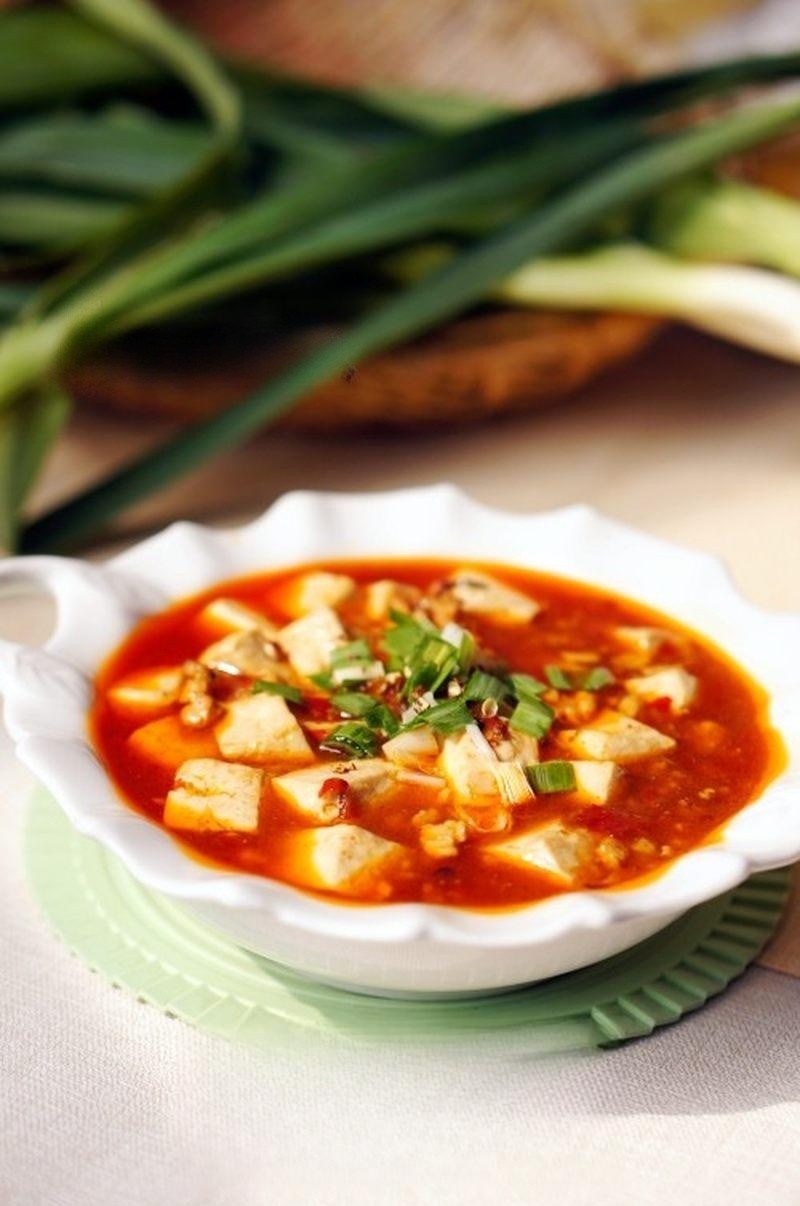
Fresh Chinese home-cooked dishes on a wooden table

What You Can Learn Here

Home Wok Notes is a beginner-friendly Chinese home cooking site for everyday meals. We focus on practical technique, real pantry ingredients, and clear explanations in natural English so you can cook confidently even if this is your first time making Chinese dishes.

Each recipe is written to help you understand what to do and what to look for, from heat control and texture changes to smart substitutions when you cannot find a specific ingredient.

Popular Recipes

Easy Chinese Recipes

30-Minute Meals

Ingredient Guides

Light Soy Sauce

Use: Everyday seasoning for stir-fries and marinades.

Tip: Use naturally brewed versions for cleaner taste.

Dark Soy Sauce

Use: Adds color and gentle sweetness to braises.

Tip: A little goes a long way; do not overpour.

Doubanjiang

Use: Fermented chili bean paste for depth and umami.

Tip: Fry briefly in oil to unlock aroma.

Black Vinegar

Use: Adds mellow acidity to soups and dipping sauces.

Tip: Add near the end for brighter flavor.

Oyster Sauce

Use: Adds savory depth to stir-fries, vegetables, and noodles.

Tip: Use a small amount first; it is concentrated.

Shaoxing Wine

Use: Reduces meat odors and adds aroma to braises and stir-fries.

Tip: Add during cooking, not at the very end.

Sesame Oil

Use: Finishing oil for fragrance in soups, sauces, and cold dishes.

Tip: Drizzle after heat is off to preserve aroma.

White Pepper

Use: Adds gentle warmth to soups, marinades, and fillings.

Tip: Start small and adjust gradually.

Sichuan Peppercorn

Use: Creates signature numbing fragrance in Sichuan dishes.

Tip: Toast lightly before grinding for better aroma.

Cornstarch

Use: Used for velveting meat and thickening sauces.

Tip: Mix with cold water first to avoid lumps.

Dou Chi

Use: Fermented black beans used in steaming and quick stir-fries.

Tip: Rinse lightly if too salty before cooking.

Dried Chilies

Use: Builds heat and chili aroma in stir-fries and braises.

Tip: Remove seeds for a milder result.

Rock Sugar

Use: Adds gloss and rounded sweetness in red-braised dishes.

Tip: Melt slowly on low heat for even caramelization.

Star Anise

Use: Classic warm spice for braised meats and broths.

Tip: Use sparingly to avoid overpowering the dish.

Cassia Cinnamon

Use: Adds sweet-spicy depth to long braises and stocks.

Tip: Remove before serving for cleaner flavor.

Bay Leaf

Use: Adds subtle herbal depth in slow-cooked dishes.

Tip: Pair with soy-based braises for balance.

Sweet Bean Sauce

Use: Adds mild sweetness and bean aroma to sauces and stir-fries.

Tip: Fry briefly in oil to bring out flavor.

Rice Vinegar

Use: Light acidity for cold dishes and quick pickles.

Tip: Use when you want a cleaner, less malty sourness.

Dried Shiitake

Use: Adds strong umami to soups, stews, and fillings.

Tip: Use soaking liquid in cooking for extra flavor.

Wood Ear Mushroom

Use: Adds crunch to stir-fries, soups, and cold appetizers.

Tip: Soak until fully expanded, then trim tough roots.

Napa Cabbage

Use: Common base vegetable for soups, hotpot, and stir-fries.

Tip: Cook stems first, then leaves.

Chinese Chives

Use: Aromatic green used in dumpling fillings and quick sautés.

Tip: Add near the end to keep color and aroma.

Dried Tangerine Peel

Use: Adds citrus warmth to braises and slow soups.

Tip: Rinse briefly before use to remove dust.

Goji Berries

Use: Used in soups and sweet broths for mild sweetness.

Tip: Add late to avoid over-softening.

Toasted Sesame Seeds

Use: Finishing garnish for aroma and texture.

Tip: Sprinkle right before serving.

Peanut Oil

Use: High-heat oil for stir-frying and shallow frying.

Tip: Great for wok cooking due to heat tolerance.

Lard

Use: Adds richness and aroma to noodles and stir-fries.

Tip: Use in small amounts for flavor layering.

About This Project

This project localizes real Chinese home recipes into natural English so foreign cooks can understand not just what to do, but why each step matters.

Read more

How to Use This Site

  • Start with Easy Chinese Recipes if you are new to wok cooking.
  • Use the Ingredient Guide to understand pantry basics before shopping.
  • Pick 30-minute meals for quick weeknight cooking practice.
  • Read cooking tips in each recipe to avoid common mistakes.

Frequently Asked Questions

Are these recipes authentic?

Yes. The goal is authentic Chinese home cooking with instructions adapted for English-speaking beginners.

Can I cook these without a wok?

In most cases, yes. A large skillet works for many dishes, with small heat and timing adjustments.

Do you include substitutions?

Yes. Many recipes include practical substitution notes when specialty ingredients are hard to find.